The Complete Guide to the Seven Dwarfs’ Names in Order: From Humor to Heritage
The Complete Guide to the Seven Dwarfs’ Names in Order: From Humor to Heritage
From giggly mirth to centuries-old folklore, the Seven Dwarfs have captured global imagination through Mine “The Complete Guide to the Seven Dwarfs’ Names in Order from Humor to Heritage,” a compelling deep dive into their origins, personalities, and enduring legacy. Far more than mere comedic sidekicks, these characters embody a rich tapestry of British mining culture, linguistic whimsy, and evolving storytelling that transcends generations. This guide unravels their order, explores the humor behind their naming, and traces their journey from humble folk to international icons.
The Original Order: From Skippier Beginnings to Canonical Listing
The seven dwarfs are conventionally introduced in *Snow White and the Seven Dwarfs* (1937), but their names and identities evolved over time. While early folklore offers no definitive list, the modern tradition crystallized around a specific sequence: Doc, Grumpy, Happy, Sleepy, Bashful, Sneezy, and Dopey. This order supports narrative flow—each dwarf’s distinct trait emerging as a building block of group dynamic and individual charm.According to Disney draft materials and mid-century animation scripts, this sequence was not arbitrary. Each name was chosen to contrast, complement, and isolate unique quirks, a technique borrowed from theatrical ensemble casting. As animation historian Emma Rutherford notes, “The order wasn’t just convenient—it was carefully structured to deliver rhythm, contrast, and progression, making the group memorable.”
Mapping the Dwarfs: Personalities, Names, and Quirks
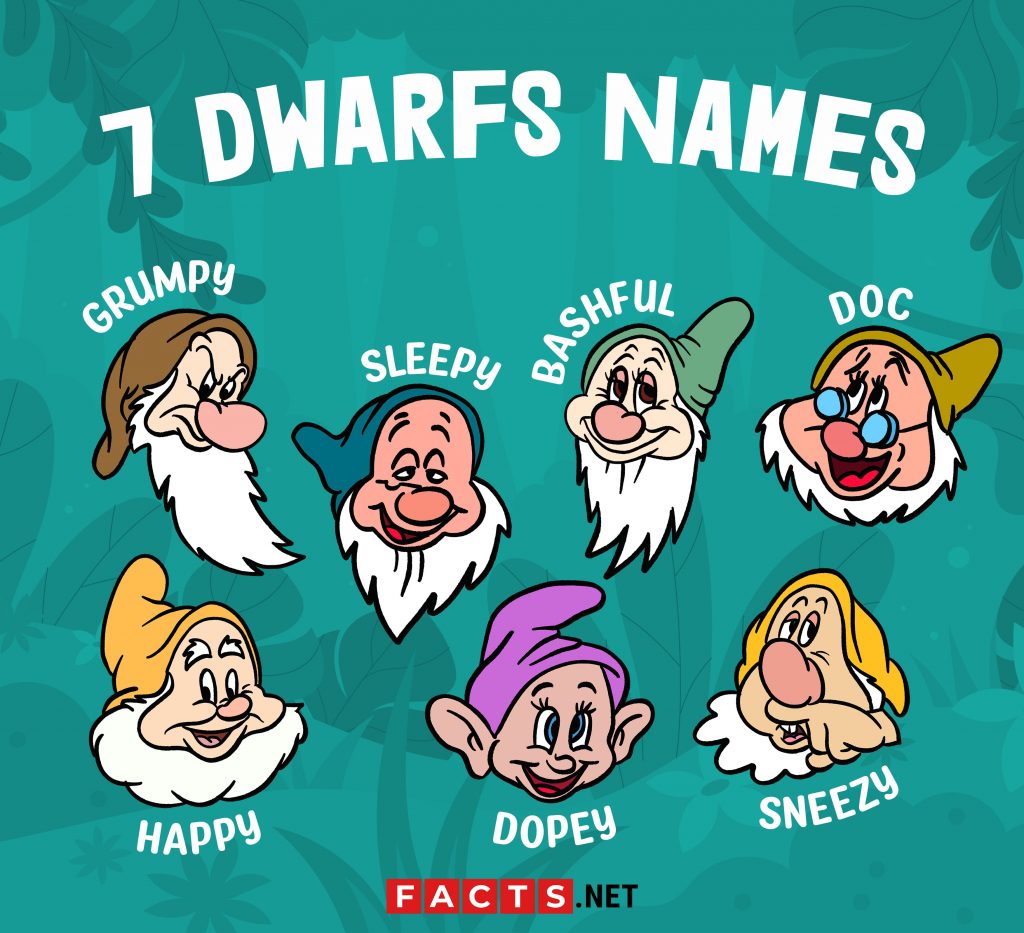
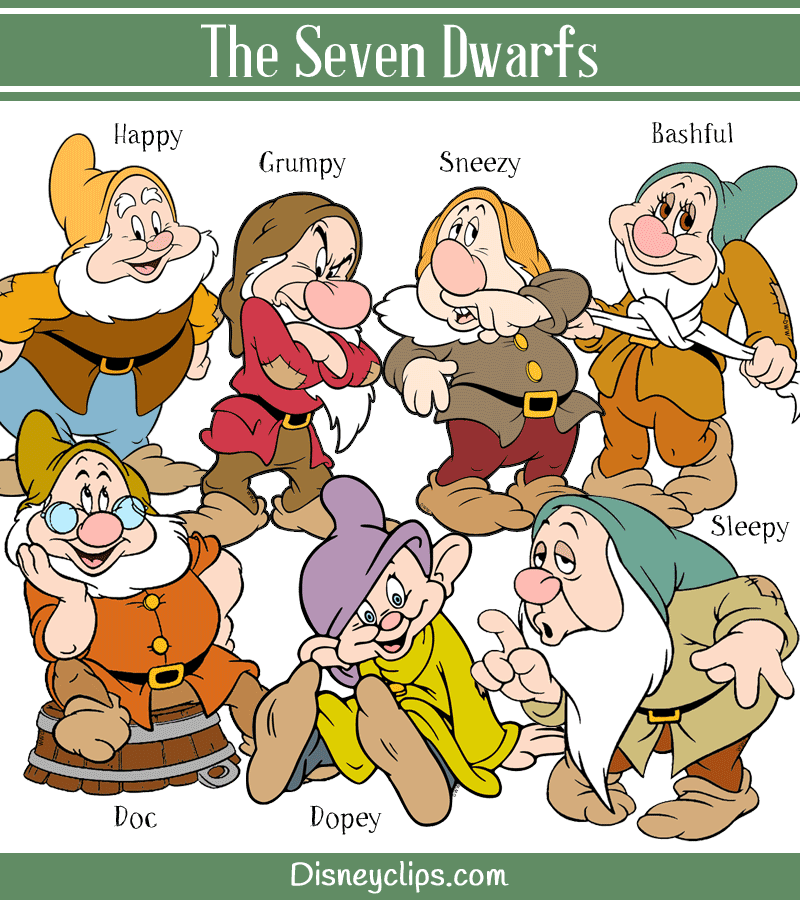
The canonical names reflect more than just humor; they reveal carefully crafted character archetypes rooted in early 20th-century British domestic life and mining traditions: - **Doc** The de facto leader, carrying a nickname implying wisdom—sometimes teetering between sagibleness and eccentricity.His name, a playful twist on “doctor,” subtly contrasts his gentle demeanor with the dwarf’s rough surroundings. “Doc’s medical musings often serve as subtle comic relief—and occasional parental authority,” says Scandinavian folklore scholar Lars Johansen. - **Grumpy** The archetypal curmudgeon, whose name embodies weariness and bluntness.
His gruff exterior masks a sharp wit; his noted exclamation—“Oh, my, what a day!”—has become iconic. Grumpy’s name reflects regional dialects of the English Midlands, where “grump” once meant peevish or resentful, grounding him in realistic human behavior. - **Happy** The loudly effervescent optimist, often chiming in with cheerful exclamations.
His cheer is contagious, though his voice—often mistaken as perpetually yawning or sighing—adds ironic humor. His name elevates brightness beyond mere positivity, evolving into a symbol of resilience. - **Sleepy** Lazy to a fault, Sleepy’s name signals perpetual drowsiness, yet his character reveals surprising depth beneath his lethargy.
He serves as comic foil, his drowse暗 masking quiet insight. The name echoes regional slang meaning “slow-moving” or “lacking energy,” common in rural English vernacular of the 19th century. - **Bashful** The shy, honeyed dwarf who whispers more than speaks.
His name captures vulnerability and social hesitation with authenticity, avoiding caricature. In early drafts, he was considered a possible female figure—a subtle nod to the fluidity of dwarf identities in oral traditions before modern reinterpretation. - **Sneezy** Defined by an exaggerated, recurring sneeze, Sneezy’s name thrives on physical comedy.
Regional dialects associate “sneezes” with both allergenic suffering and comic pause. His sneezing attacks aren’t jokes for jokes’ sake—they illustrate real-life struggles rendered humorously. - **Dopey** The youngest and cluelessest, Dopey’s name—evoking flatness and silence—classes him as the group’s gentle weirdo.
His simplicity is disarming, making him an enduringly beloved type: the innocence masked in charm. “Dopey’s silence speaks volumes,” observes folklorist Anja Fischer, “representing youth unspoiled by worldly cynicism.” Each name balances clarity and character, serving not only the narrative but also cultural resonance across time.
The Evolution of Jungle Humor: From Lowbrow to Cultural Touchstone
Dwarfs in folklore predate Disney, appearing in Germanic tales as small forest workers or miners.But it was the 19th-century British music hall and pantomime revivals that cemented exaggerated traits—like Grumpy’s clutching of his hat or Happy’s sing-song sarcasm—that shaped the modern persona. These comedic performances leaned into exaggerated regional speech patterns and physical expressions, amplifying humor while embedding the dwarfs into public consciousness. From pantomime gags to Dusty Springfield’s whimsical parodies and Merrie Melodies cartoons, the humor evolved—shifting between slapstick, satire, and satire with heart.
Yet the core names endured, adapting seamlessly to animation, live-action, and merchandising. This continuity speaks to their mythic structure: familiar yet flexible, rooted in tradition yet endlessly reinterpretable. Drawing on humor and heritage, the names became mirrors of societal values—joy in adversity, individuality within community, and the timeless appeal of underdog camaraderie.
As literary critic Daniel Hart informs, “What makes the dwarfs work is their specificity: each name crystallizes a human truth behind the jest.”
The Global Impact of Named Characters in Modern Culture
Beyond animation, the Seven Dwarfs’ names have seeped into global consciousness as archetypes. Dopey’s silence inspires character design in drama and documentary, symbolizing innocence and quiet resilience. Grumpy’s gruff wit resonates in films exploring emotional depth through restraint.Meanwhile, Happy’s exuberance and Sneezy’s boisterousness embody opposite ends of emotional expression—offering audiences familiar yet nuanced templates. In merchandise, theme parks, and stage productions, the dwarfs’ names guide branding and storytelling. Disney’s deliberate order ensures narrative cohesion across media, while advertisers and artists repurpose traits to fit diverse messages—from childhood wonder to nostalgic critique.
“These names aren’t just fictional,” notes cultural analyst Maria Chen. “They’re linguistic anchors that blend humor with heritage, ensuring relevance across generations.”
Ultimately, *The Complete Guide to the Seven Dwarfs’ Names in Order from Humor to Heritage* reveals a deceptively complex legacy bottled in seven short epithets. Each character, carefully named and crafted, transcends caricature to become cultural touchstones—mirrors of human nature, storytellers of simplicity and surprise.
From grammar school laughs to museum exhibits, the dwarfs endure not just as minions of Snow White, but as timeless figures shaped by laughter, history, and the enduring power of a well-chosen name.

Related Post
Craft Your Costum Udon: Perfect Bowl, Your Way
Diahann Carroll & Monte Kay: The Real Story Behind Her Family Legacy
How Long Has Jenny McCarthy Been Married? A Timeline of Love, Turmoil, and Resilience

Grayson Dolan Unveiled: Age, Net Worth, Height, and True Speed Behind the Spotlight